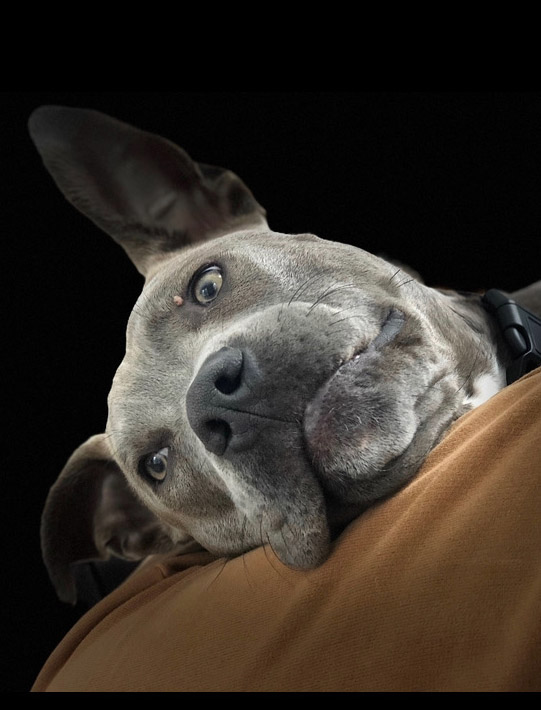

Don’t Rush Your Pets

There are so many things our animals don’t understand about our human world. Yes, we ask them to understand. In fact, many humans just expect and assume they understand.

We live in a world of instant gratification. Animals don’t work that way. They don’t show up knowing how to be a well-mannered, human world adapted being. They need to be taught with kindness, love, patience and TIME.

Animals can’t be rushed. They don’t understand “hurry”. It’s very confusing to them. They aren’t on a time schedule like we are. They live in the present and the celebrate every small thing that happens in their day. They don’t have any desire to rush through their day, like humans do.

When humans try to rush animals it can scare them or frustrate them. It can cause stress and anxiety because they feel YOUR rushed energy. That feels chaotic to them. At the LEAST it will confuse them.

Don’t rush them! Just because you’re in a hurry, don’t assume they are. I can guarantee they aren’t. In fact, maybe they are here to teach us that taking our time to notice and celebrate all the little things in our daily life is the best way to be happy.

Maybe they’re here to slow you down. To make you notice the things in life that really matter. Like the extra time you took to play with your cat. Or the walks you took with your dog. Or maybe that trail ride you took your horse on. Or just not rushing your pet out the door when it’s time to leave because youre running late for their vet appt.

Animals do not understand rushing or hurrying or “being late” and that will never change. Those are human problems not animal problems. So if you want to be the best guardian you can be for your pets, don’t rush them, don’t hurry them. Let them move at their pace. Because I can tell you their pace allows for a fuller and more beautiful life with less stress.

Difficult Animals

Animals that bite, growl, scratch, buck, rear, kick or bolt are often labeled as dangerous or difficult.

These animals are NOT that at all. They are usually the most sensitive animals.

These animals resort to these behaviors, which are forms of communication, because their more subtle, polite ways of communicating to tell you something is wrong, have been ignored.

They have run out of ways to communicate gently so they are using the only form of communication they have left. It’s always a last resort for these animals. By the time they get to that point they have been pushed so far there is no other option.

These animals need patience, understanding, and most importantly someone that is willing to observe and listen to the whispers.

These animals are loving, sensitive sentient beings that have had their voices ignored too many times. They are not dangerous or difficult. Starting listening to them and theyll show you who they truly are.

Your Pet’s Favorite Things

Here is a very simple way to add to your pets day!

Make a list of pet favorite things to do that they do not already do on a daily basis.

Examples:

Interactive play with you

Go for a walk (cats can do this too!)

Hand Graze

Their favorite snack (not something they get all the time)

Visit the pet store

Get a pup cup

An hour of extra turnout

Extra long grooming/massage

A formal massage

An alternative therapy treatment (reiki, magna wave, etc.)

A hike

Getting a new gift (toy, bed, treat)

A hack ride (for show horses)

A trip to the beach or a lake

Take a nap together (our animals LOVE to sleep with us)

Eat together and share your food

Go somewhere new

The list is ENDLESS. The key is pick things your pets don’t do daily. Then commit to doing one of these things for them every single day. Don’t skip out on their daily walk though! The list is meant to be in addition to their already established routine.

This will add variety to their days. This will add enrichment. This will give them something to look forward to! This will be fun for both of you. Most importantly, it will give you and your animals more quality time together, deepening your bond.

And you can make it a celebration. You can pick the activity out of a jar if you have a lot of time. If you are short on time, pick something quick, but still commit to doing something for them each day.

If every day is too much, then commit to one day a week. One day a week to do something from the list you make.

The key is consistency. It’s easy to do it for a week or a month. But can you commit to giving your pet a lifetime of 30 minutes or an hour a day that is all about them? We have 24 hours a day to work with, giving them a small portion that is focused on them and all about them, will be relationship changing in the best way. They deserve it.

Want to know what your pets favorite things to do are?

A Powerful Quote From A Dog

“Things can get better but I will never be perfect. “

It is important we always remember this.

Our animals can be easy to live with, they can learn our expectations, routines, and way of communicating. They can learn appropriate behaviors. They can learn how to adapt to this human world.

But they can never be perfect. They will make mistakes. They will have accidents in the house. They will make messes.

I know most of us don’t expect them to be perfect. But do we expect them not to make mistakes at all?

They will still make messes. They might have an odd day. They might accidentally break something. They may have an accident in the house.

Sometimes we get the urge to need the bathroom quickly or unexpectedly but we can just go. It happens to them to. If no one is home, or they don’t have time to ask, or aren’t noticed when they do ask… they’ll have an accident. Even the best, cleanest animal.

And even more simple, humans make mistakes ALL the time. Animals will too.

So remember though you may not expect them to be perfect, do you expect them not to make mistakes in certain areas? I think some of us do.

But I do promise you, they don’t do it intentionally. They try their hardest NOT to make mistakes, even when they don’t fully know what we want.

Can You “UnChain” Your Dog (or other pet)?

Did you know that January is National Unchain A Dog Month 

While most of us would never physically chain our dogs, I’m reminded restrictions don’t just come from chains. 

Psychologically, yes chaining dogs is very harmful to them. It’s restricting. It usually  leads to aggression, insecurity, frustration, anxiety, fear, and mental decline. Chained dogs feel restricted physically and emotionally. But not all “chains” are metal. 

Though I know you all get it and don’t actually chain your dogs, lets think about how we “unchain” the non-metal chains for our loved pets. 

* We can “unchain” our expectations of our dogs. Let them be who they are and not label them as “stubborn” or “reactive”. Those labels limit a dogs expression and tell the dog thats who we want them to be! They feel our energy when we use those terms. 

* “The invisible chain” Sometimes even our loved house dogs feel restricted emotionally, mentally or energetically when their voices, requests, needs, and emotions aren’t heard or correctly understood. 

* We can give them “freedom”. Let them choose where to walk, when to leave the house with use and when not to. We can honor their preferences to food, space, routines, and touch.   Communication is the bridge that allows choice.  And we need to be willing to listen. 

When we communicate with our dogs and open ourselves up to what they are trying to communicate with us, we “unchain” their voices. When that happens something 

Shifts for them and for us. 

I am so grateful so many of you already live understand the value is keeping our dogs off physical chains. Our dogs deserve more than a life tied to a chain, physically or metaphorically. 

If possible, please help an organization that unchain dogs. There are many. They provide large kennels and doghouses  for the dogs. You can help through your time, a donation, or by spreading awareness. So many dogs ARE truly chained and even just doing one thing, one time, may help a chained dog become “unchained” and live a life that is more free. 

https://docs.google.com/forms/d/e/1FAIpQLSdWLcoYgWKu9zomy8V01dVdEjNsWYBogfElIxzW83q25EdUKA/viewform?usp=publish-editor

Your Pet Becomes The Words You Use

Animals are very sensitive to energy. That’s why the words we use and the names we call them affect them so much. They become that energy.  

They don’t understand jokes, so if we say “youre a pain in the butt”, even if we are joking, they feel we are being serious.  Humans joke all the time. We may call them stubborn or a brat as a joke. Or maybe we mean it! But either way, to them, the words we say are true.  So they feel like they are stubborn or a brat and they will become that way.

If we say they are aggressive, reactive, or mean, they will be that way. They think they are being what we want them to be because we label them that way!

Sometimes, again joking, we may say our pet is “not smart”, dumb, or stupid. Guess what? That hurts their feelings and they will again starting acting in a way that matches their label. Why? To try to please us. They think that’s what we want them to be because we label them that way.

I wish humans knew how much the words they use affect their pets emotionally and affect their pets behaviors, even if you’re joking!

If you tell them they are a lot of work, annoying, or frustrating they will be.  Then imagine THEIR frustration when you are frustrated with them being what they think you want them to be!

Try to use labels that create the type of pet behaviors you want to encourage. Try to use labels that make your pet feel confident, safe, and happy! Try to use labels that make your pet feel loved and appreciated.

Label them as * smart. *funny * brave * agreeable * easy * and other similar terms.

Say to your pet “youre so easy to live with. “

“You make my days so easy”

“You are fun to be around!!”

“You are SO smart!”

“You do everything right.”

“You fit in seamlessly!”

There are so many ways to label our pets with positive, uplifting, beautiful labels. So many labels we can use that help them be the best they can be. So many labels that make the dynamics in the house easier instead of harder.

If you want to know how your pet feels with the words and communication in the house you can give your pet a chance to talk during a reading.

How To Help Our Pets Live Longer

I talk a lot about the importance of enrichment. It keeps pets happier, balanced, and prevents behavioral issues from boredom. 

But the other very important benefit that enough enrichment provides is prevention of premature cognitive decline. 

Enrichment also reduces stress. Stress in animals creates premature aging just like it does in humans. Stress in animals causes health issues, anxiety and increases all cause mortality. 

We all want our pets to live as long as possible with a good quality of life. 

In addition to the obvious (proper vet care, good nutrition, and exercise), providing proper enrichment and reducing your animals stress are controllable factors that can lead to longer, healthier lives for all our pets. 

What are some of the things that cause stress in animals:

* Change

* Lack of Exercise or Enrichment

* Yelling/Fighting (at the animal or in the same house/area as the animal even if not directed at the animal)

* Overcrowing

* Needs not being met despite their efforts to communicate

* Isolation/ Separation / Confinement

* Fatigue, Injury, Illness

* Inconsistent expectations 

* Unfairness 

* Harsh/rough handing

* Jokes 

We can’t prevent all stress for them, but we can reduce it. And we can provide enrichment & exercise as an outlet for stress. 

Keeping our pets happy and healthy (mentally and physically and spiritually) is our responsibility. There are many variables we can control, there are some we can’t. But we owe it to them to control the ones we can because that gives them a higher odds of living a long, healthy, happy life. 

The way to do it:

* Provide consistent enrichment

* The best nutrition you can afford  (its ok if you can’t do top shelf! Do the best you can!)

* Reduced stress

* Consistent expectations

* Inclusion 

* Socialization 

* Exercise (which is different than enrichment)

* Vet care

* Love

* Understanding, patience, and forgiveness 

* No jokes 

I know I want my pets to live as long as possible and I know you all do too. 

Your Pet’s Mental Health

Your pets mental health must always come first when making decisions.

It’s easy to forget that animals can suffer from emotional abuse (often unintentional) not just physical abuse. We can all say “bad people” physically abuse animals, but often animals are emotionally stressed with loving guardians! Just out of a lack of understanding.

It’s easy to forget their our decisions affect their emotional health greatly.

It’s easy to forget how important their mental and emotional health is.

It’s easy to pay attention to physical health. Bring them to the vet when they need it. Feed them nutritious meals. Trim their nails. Bathe them.

But what about their mental and emotional health? Is your pet depressed? Sad? Does your pet feel unloved at times (unintentionally)? Does your pet feel abandoned? Left out? Again, almost always unintentionally but kind, loving guardians. Are they emotionally stressed or fragile because we have unintentionally put them into situations that are too much fo them mentally? This happens often! Again, unintentionally. Either with “training”, where we leave them when we aren’t with them, or not thinking about how our decisions for our lives, affect them.

They are part of our lives so our decisions should always consider them. And we should be willing to make decisions in ways that do not jeopardize their emotional health.

For the most balanced mentally and emotionally healthy animals we do have to teach them enough confidence and independence that they are calm and content when away from us.

Sometimes animals will be in stressful, anxious, or uncomfortable situations. When they are emotionally well and strong, they can adapt. If they face these kind of situations too often, and on their own, without support, or even just one situation that is too overwhelming, they will emotionally suffer.

Their mental health is as fragile and as important as ours, as humans. And like humans, some animals are mentally stronger, mentally less sensitive. Others are overly sensitive, and overly fragile.

All of you on this page are here because you want to be the best guardian for your animals. You want to love them, support them, and most importantly understand them.

If you become aware of their mental health, look into their eyes, watch them when they don’t know you are watching them, you’ll be able to get a glimpse into how theyre doing.

If you do feel your dog is depressed, sad, or otherwise struggling with mental health, I can help. Animal communication is also pet therapy! It is letting them talk, so we can make a plan to help them feel better.

1-207-849-0096 Text or Angie@AngieMorin.com

Small Dog Syndrome

Yes, it’s real. Chihuahuas get a bad rep. Small dogs tend to have less patience. But, there’s a reason.

Small dogs (in general) get less “training” than big dogs. Many people assume they don’t need it because they can just pick them up and move them. They don’t pull as hard on a leash. They often can barely keep up when we walk anyway.

But, many of these small dogs feel constantly overwhelmed and that’s what their behavior often reflects.

Instead of calling them over and waiting for them to respond, it is easier to pick them up and move them to where you want them. When you call a dog, they have time to process it and make a choice, and know where they are headed (to their human in the kitchen for example). A small dog, is just surprised! All of a sudden they’ve been picked up and have no idea where they are going.

They are often assumed to be easier because they are smaller. But in reality they need the same care and enrichment and exercise! Especially the terriers!

Small dogs are prone to a lot of barking. Why? Usually, they aren’t getting enough exercise. Or, they are trying to use their voice because they rarely feel heard or respected. They are trying to feel big in a world that makes them feel small (and therefore unsafe).

The best things for small dogs, is to treat them like big dogs. Teach them all the same things. Exercise them. If they have less patience, understand there is a reason. They feel vulnerable. Small dogs gets pushed around a lot, not intentionally, just because of their size.

Their size makes them feel more like toys than dogs. Because of their size they are treated differently than larger dogs. This does not help them, it hurts them. They develop excessive behaviors to try to make up for their lack of confidence and their insecurities. They try to act “big”.

So if you have a small dog that is very reactive or that barks a lot. Start by teaching the dog all the things you would teach a 100 lb, strong dog. It will give your small dog confidence. It will give your small dog choice. It will give your small dog enrichment.

Your small dog will be so much happier and so much more balanced.

The Most Common Mistakes Humans Make When Adding A New Pet To The Home

Two is always better than 1 when it comes to animals!

With very few exceptions, two animals are better than one because all of our domestic pets are meant to live with others of the same breed. Cats live in a colony. Dogs live in packs. Horses live in herds. Birds live in flocks. You get the idea.

Now of course due to trauma or lack of socialization some animals simply can not cohabitate with others. But, most of them cant. Issues arise when humans do not allow proper slow introductions.

Common mistakes made by humans when adding new animals to the family – even when your current pet(s) are very social.

Introductions done inside the home (introductions should be on neutral ground)
If you have indoor cats, find a safe space in a garage or basement (somewhere your cat doesn’t often go)

Forcing pets to “like” everyone. Some pets won’t like another animal and thats ok! They don’t have to like them to cohabitate. They just won’t be best friends. They can learn to respectfully cohabitate with ANY animal if you give them the tools, guidance, and patience to do so. I have experienced this in my home when I added my dads dog to our family. (Read the story in comments)

Give up too quick. You don’t make a best friend in 30 minutes. Don’t expect your pet to make a best friend right away either. It takes MONTHS.

Blaming one animal if the introduction goes poorly. Yes, there are times it is one animal who instigated, BUT it’s not that animals fault. That animal may have felt unsafe, threatened, or unsure because of a mistake a human made with the introduction.

  • Setting pets up to fail by throwing them together too soon. Adding a new animal to a family means separation from each other when not supervised, for longer than humans want.
  • Not putting in the time or effort and expecting instant gratification. Humans love instant gratification. Many get frustrated, annoyed, or impatient when things aren’t instantly easy. Animals feel this energy and it escalates tension. If you don’t put in the time or effort you are setting them up to fail. All of them.
  • Not taking into consideration an animals past. Humans go through trauma and it can stay with them for their entire lives. Animals are the same. If they have gone through trauma do not expect them to leave that at the door when they enter your home. It comes in with them. And if you put them into a situation that triggers that trauma you are setting them up to fail.

Every single animal CAN succeed if humans take the time, put in the effort, and have the patience. When you bring a new baby home from the hospital your current kids may be jealous, mad, or pull “tantrums” because they don’t want to share attention. Animals are the same. They are the equivalent of a 2 year old. You wouldn’t bring your newborn back to the hospital. You would work with your kids over time to cohabitate. Fully expecting challenge and behavioral issues along the way. Animals are the same.

THE STORY OF ADDING BUCK TO OUR FAMILY

Here is my story of animals living together that don’t “like” each other.

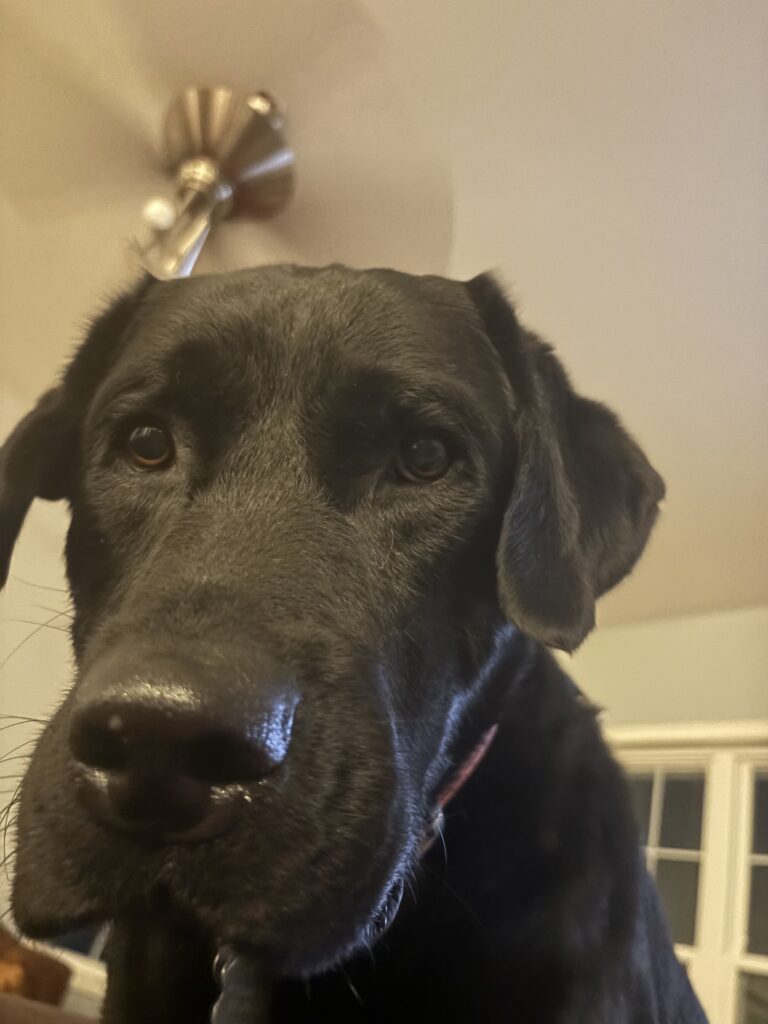
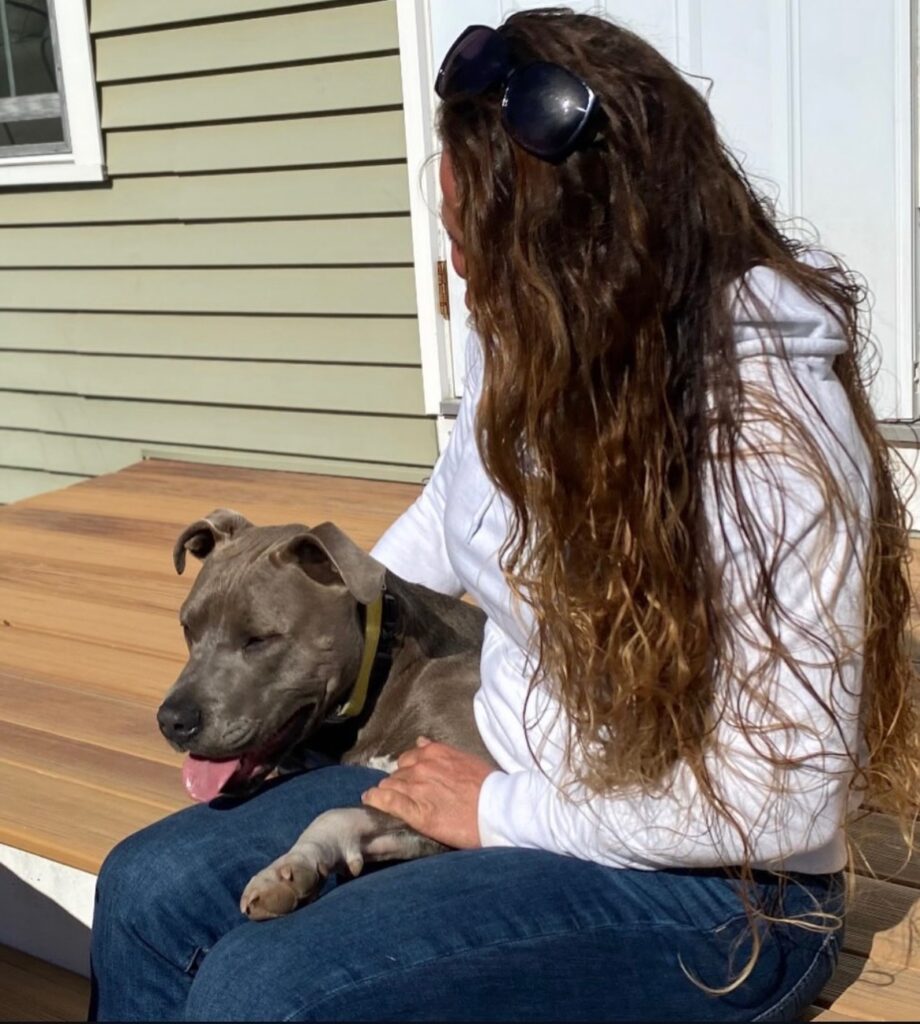
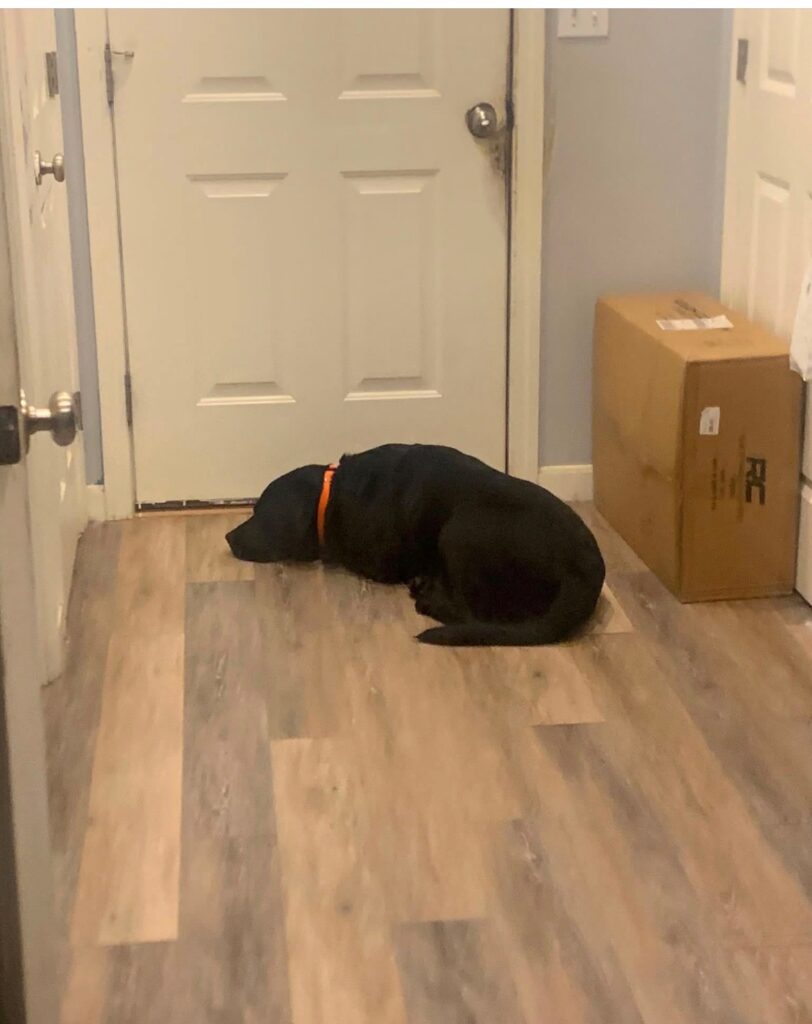
When my dad died in April of 2024 I inherited his black lab, Buck. My pitbul, Titan, HATED buck. Buck was about 4 years old, Titan about 5. They met as young dogs but Titan never accepted Buck. He would growl, lunge, full on attack. We worked on pack walks, etc. but honestly never dedicated enough time to it because they didn’t live together so we just said nevermind. 

I would go visit my dad and if Buck was outside and Titan was in my car he would go nuts at the window, agressive barking, trying to get out when I’d open the door, etc. Like most, I ignored it because I knew animals do not have to like everyone they meet, just like humans dont. 

Once Titan even jumped out of my open sun roof to go full on attack Buck. Another time, Titan ran across a 10 acre field to go attack Buck. Titan went out of his way on many occasions to seek out Buck and fight. Buck never once retaliated. It was a one sided hate. 

Clearly, I never thought I was going to inherit my dad’s dog. My dad died unexpectedly and rehoming Buck wasn’t an option. Animals are family. So I committed to making this work. I was forced. It took months. Months of me having them on leashed when in the house. Correcting and redirecting Titan when he would go after Buck. 

Titan was tethered to me anytime Buck was in the main area of the house. Sometimes Buck would get a break in the bedroom and TItan could be untethered but I had to keep reminding Titan to not go to the door and try to get Buck, through the door. 

Then it went from attacking intentions to hackles up. Then it went from hackles up to Titan being tense. Then it went from Titan being tense to Titan being off the tether, but my eye very on him. Because if Buck made one move that TItan didn’t like, the light switched and Titan went after him. 

Titan was tethered to me anytime Buck was in the main area of the house. Sometimes Buck would get a break in the bedroom and TItan could be untethered but I had to keep reminding Titan to not go to the door and try to get Buck, through the door. 

Then it went from attacking intentions to hackles up. Then it went from hackles up to Titan being tense. Then it went from Titan being tense to Titan being off the tether, but my eye very on him. Because if Buck made one move that TItan didn’t like, the light switched and Titan went after him. 

Titan doesn’t listen to anyone else so I always had to be around when Buck was in the main area. 

Now, they are fine! They cohabitate and they are ALL happy but they don’t like each other. Buck growls at Titan out of fear, Titan has learned to ignore it. Not many dogs could stand near a dog growling at them and not retaliate, but Titan has learned not to. Titan is a very domninant, alpha dog, but he has learned that he has to cohabitate with Buck. 

We don’t leave them unservised alone and never will be able to, but when we are home, even my kids now (if I am not home) they can all be together and trusted without an extra eye on them. Titan and Buck just don’t lay down together or play together or hang out together. They all go outside together. When there is food around TItan and Buck can sit side by side and ignore each other : ) 

So it CAN be done. But it takes time, patience, consistency and commitment. 

I have never seen a day hate another dog as much as Titan hated Buck, but he learned to cohabitate with force free redirection and consistency.

RSS
Follow by Email
Set Youtube Channel ID
Instagram